
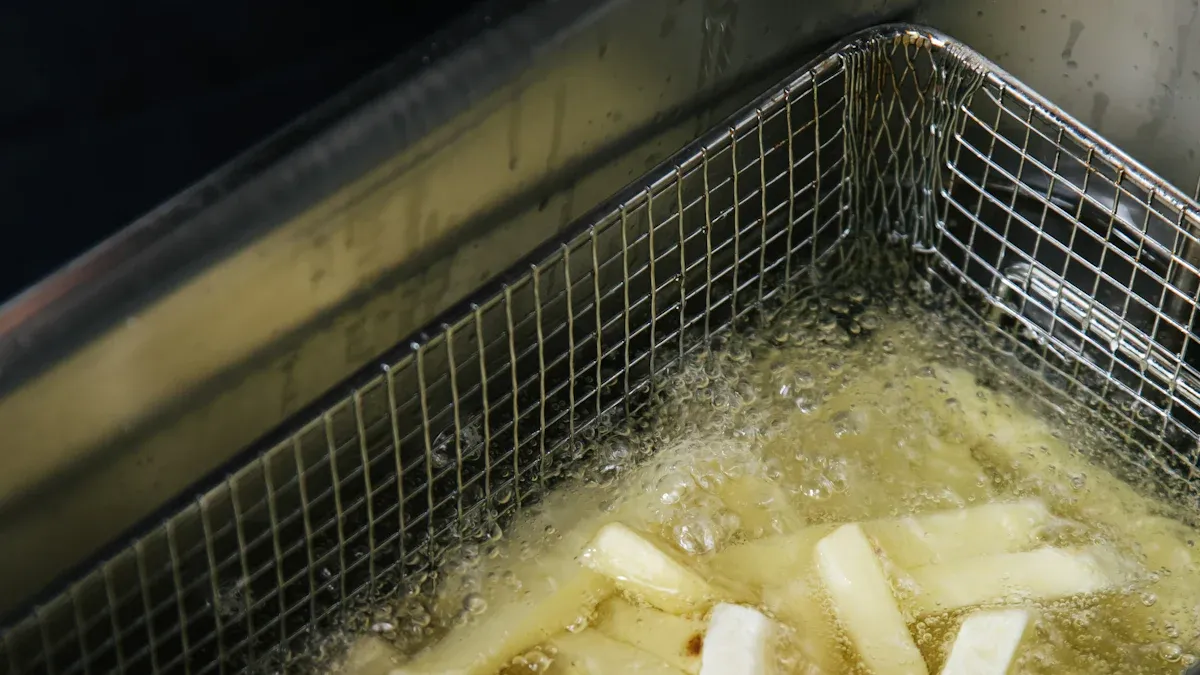
A Multi-Functional Automatic Electric Fryer meets the needs of most users who want convenience, safety, and versatility. Many choose these appliances for their smart features, energy savings, and ease of cleaning.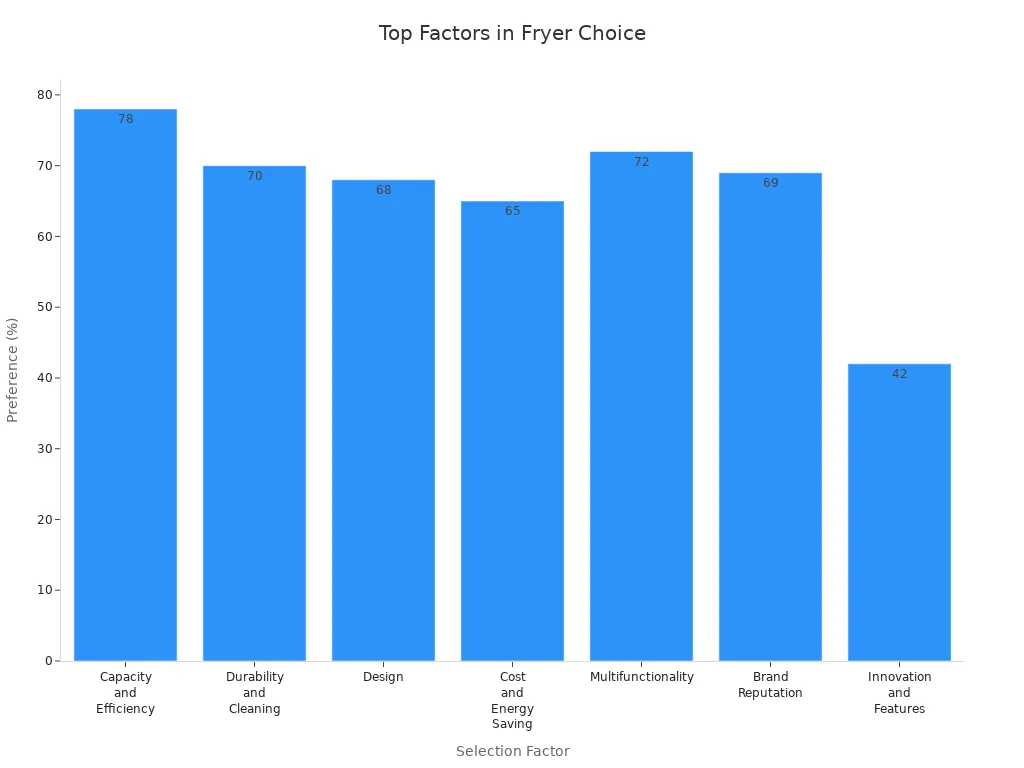
Smart Large Capacity Electric Fryer, Electric Deep Fryers, and Household Mechanical Control Air Fryer each appeal to different preferences.
Cooking Performance and Results
Taste and Texture Comparison
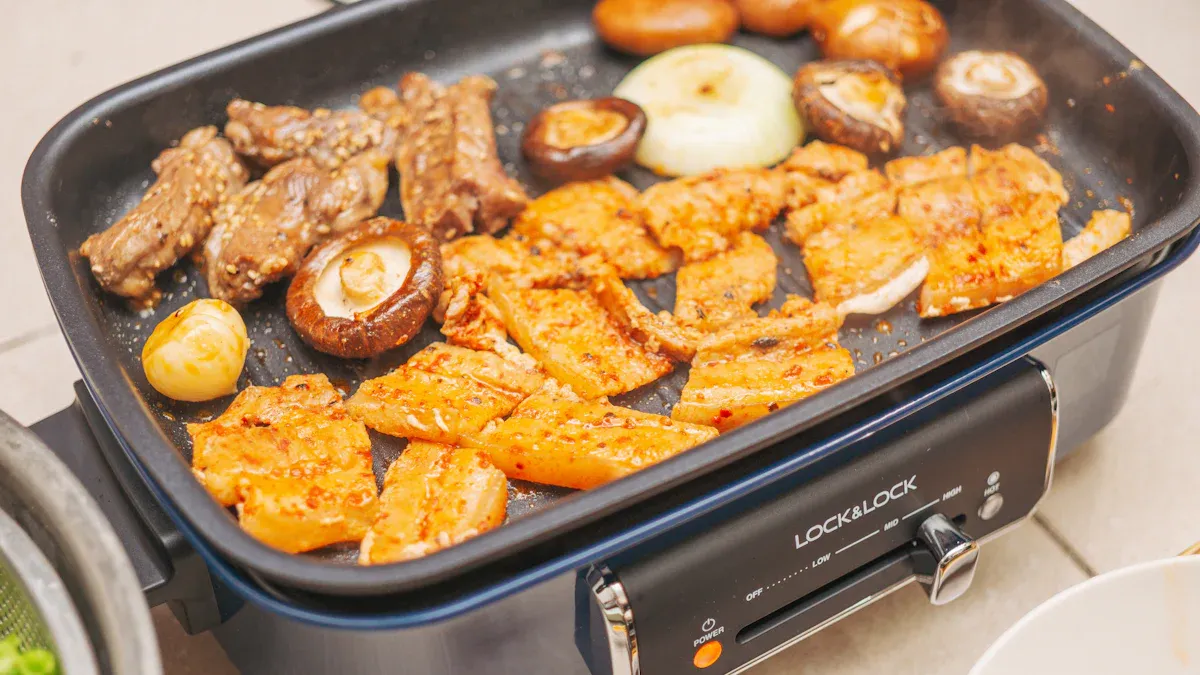
Taste and texture remain the most important factors for anyone choosing between a modern electric fryer and a traditional deep fryer. Blind taste tests show that most people cannot tell the difference between foods cooked in these two appliances. In fact:
- 62% of participants in blind taste tests could not distinguish between food prepared in multi-functional automatic electric air fryers and traditional deep fryers.
- Models like the Ninja Double Stack Air Fryer produce French fries and chicken nuggets with even cooking and a crispy texture similar to deep frying.
- Many user reviews praise the cooking quality and versatility of air fryers, noting that the taste and texture often match those of traditional deep-fried foods.
Texture differences do exist, especially for certain foods. Traditional deep fryers submerge food in hot oil, which creates a distinct crunch and juiciness. This method locks in moisture and produces a rich, indulgent bite. Air fryers use hot air circulation, which can make food crispy on the outside but sometimes a bit drier inside. Some foods, such as fries and chicken wings, achieve good crispiness in air fryers. Others, like fish steaks or high-moisture vegetables, may not develop the same tough crust or retain as much moisture as when deep-fried. Using a light oil spray in air fryers can help improve crispiness, but it does not fully replicate the texture of deep frying.
Note: Deep frying is still preferred for foods that require a firm crust and moisture retention, such as battered fish or thick vegetables. Air fryers offer a healthier alternative with less oil, but the texture may differ slightly.
Consistency and Reliability
Consistency in cooking results is another key consideration. Traditional deep fryers maintain even heat through oil immersion, which prevents uneven cooking and ensures a crisp exterior, especially for larger items like whole turkeys. Commercial electric deep fryers provide precise temperature control and fast recovery times, enabling quicker and more even cooking cycles. Gas fryers also heat rapidly and maintain consistent temperatures, making them ideal for large batches.
Multi-functional electric fryers, including air fryers, offer versatility and ease of use. However, they may produce inconsistent results with larger or thicker foods. Some models, such as the Masterbuilt 10 Liter Electric Fryer, perform well with small to medium-sized portions but may struggle with heat retention and even cooking when handling larger quantities. Tests show that electric fryers equipped with built-in thermostats can maintain oil temperature accurately, which is critical for consistent crispy results. However, compact air fryers and multi-functional appliances often take longer to cook food and may not always deliver the same level of crispiness as traditional deep fryers.
Cooking times also differ. Air fryers generally take about 10-15 minutes longer to cook common fried foods compared to traditional deep fryers. Deep fryers submerge food in hot oil, cooking it quickly and evenly to produce a golden-brown crust. Air fryers use hot air circulation with minimal oil, which slows the cooking process. Despite the longer cooking time, air fryers offer advantages in preparation, setup, and cleanup.
Multi-Functional Automatic Electric Fryer Versatility
Range of Cooking Methods
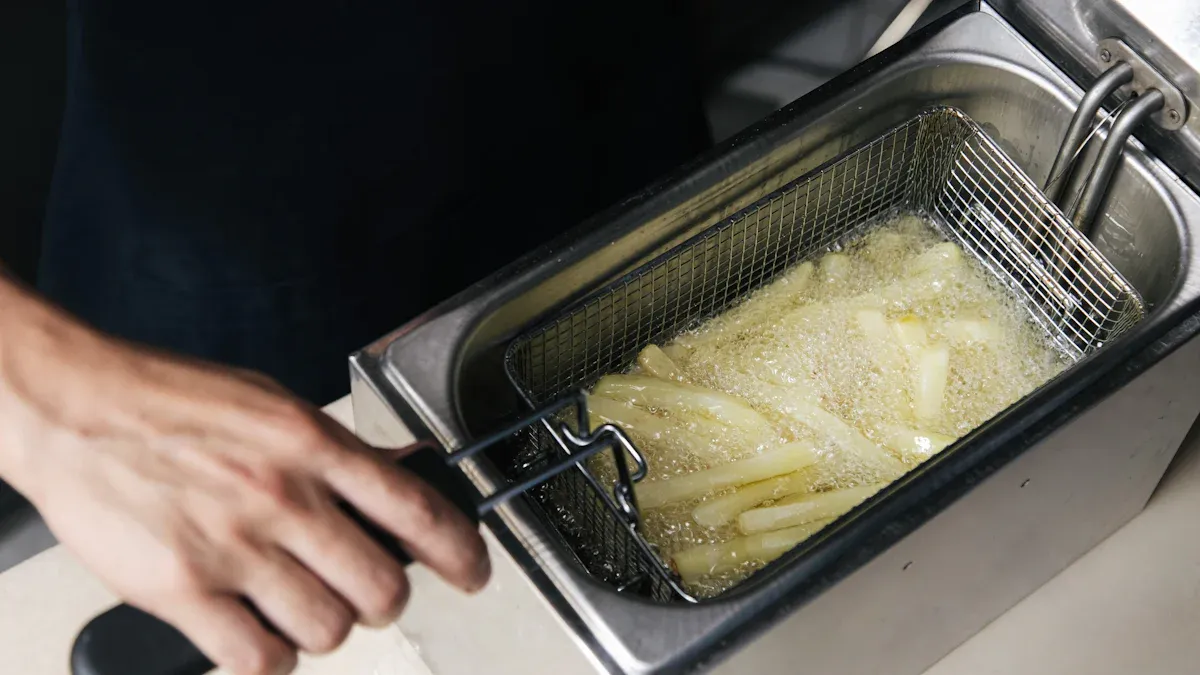
A Multi-Functional Automatic Electric Fryer offers a wide variety of cooking methods that go far beyond traditional deep frying. Many leading models support oil-free air frying and baking, which use up to 85% less oil than classic fryers. This approach provides a healthier way to prepare favorite foods. Users can also roast, broil, dehydrate, proof dough, and toast with these appliances.
Tip: The classic time and temperature controls make it easy to adjust settings for different recipes, giving home cooks more flexibility in the kitchen.
Compared to traditional deep fryers, which focus mainly on deep frying, pressure frying, and batch frying, multi-functional electric fryers provide more advanced features. These include programmable cooking modes, precise thermostatic controls, automatic basket lifts, and even smart connectivity. The table below highlights the differences:
| Feature / Fryer Type | Traditional Deep Fryers | Multi-Functional Automatic Electric Fryers |
|---|---|---|
| Cooking Methods | Deep frying, pressure frying, batch frying | Air frying, baking, roasting, broiling, dehydrating, proofing, toasting |
| Automation | Manual or semi-automatic | Semi- or fully-automatic, smart connectivity |
| Oil Filtration | Less common | Built-in oil filtration systems |
| Specialty Fryers | For specific frying methods | For donuts, cakes, tempura, fish, chicken, fries |
| Safety and Convenience | Basic safety features | Enhanced safety, automatic basket lifts, smart diagnostics |
| Ventless Operation | Not typical | Available in ventless models |
Specialty Dishes and Limitations
Multi-Functional Automatic Electric Fryers allow users to prepare a wide range of specialty dishes. These appliances can fry, bake, roast, and grill, making them suitable for cakes, roasted meats, grilled chicken, and even dried fruits. The oil-free cooking technology supports healthier meal preparation. Intelligent automatic controls and app integration help users access preset cooking modes and recipes for consistent results.
- Users can make baked goods, roasted vegetables, grilled meats, and classic fried foods.
- The fryer’s dehydrating function works well for making dried fruit snacks or jerky.
- App connectivity lets users select recipes and monitor cooking progress.
However, these fryers work best for home or small-scale use. Their compact size limits the amount of food cooked at once. Overfilling can cause uneven heating. While air fryers simulate frying with hot air, the texture of some foods may be drier compared to traditional deep-frying.
Note: For large gatherings or commercial kitchens, traditional deep fryers may still be preferred due to their larger capacity and ability to handle bigger batches.
Ease of Use and Convenience
Setup and Operation
Users often choose a Multi-Functional Automatic Electric Fryer for its straightforward setup and intuitive controls. Most models feature digital displays and preset cooking modes, which simplify the cooking process. Home cooks can select a recipe, adjust the temperature, and start cooking with just a few button presses. Many units include automatic basket lifts and smart connectivity, allowing remote monitoring through a mobile app.
The following table highlights common operational challenges users may encounter:
| Operational Challenge | Description |
|---|---|
| Cleaning difficulties | Food residues stick to cooking surfaces, making cleaning cumbersome. |
| Insufficient recipe adaptability | Difficulty handling specific cooking styles due to limited recipe options. |
| Heating issues | Failures caused by faulty heating elements or thermostat malfunctions. |
| Overheating | Caused by thermostat failure or dirty filters. |
| Oil drainage problems | Clogged drain valves or broken oil pumps prevent proper oil drainage. |
Despite these challenges, most users find daily operation easy and efficient. Manufacturers continue to improve user interfaces and add features that reduce manual effort.
Cleaning and Maintenance
Cleaning and maintenance remain important factors for long-term satisfaction. Many Multi-Functional Automatic Electric Fryers include detachable non-stick baskets, which make cleaning easier. Some models offer automated self-cleaning modes, reducing the need for manual scrubbing between uses. High-quality stainless steel construction enhances durability and simplifies maintenance.
Key cleaning features include:
- Detachable non-stick baskets for quick washing.
- Easy-to-clean exteriors that resist stains.
- Automatic discharging and stirring systems to minimize stuck food.
- Drain valves for simple oil removal.
Tip: Regular cleaning after each use helps maintain performance and extends the appliance’s lifespan.
Although cleaning can feel cumbersome when food residue sticks, manufacturers are working to make this process more convenient. Automated features and thoughtful design improvements continue to address these concerns.
Safety Features
Built-In Protections
Manufacturers design modern electric fryers with advanced safety features that help prevent accidents in the kitchen. These protections set them apart from traditional deep fryers. Common built-in safety features include:
- Automatic shut-off systems that activate if the fryer overheats
- Overheat protection mechanisms to avoid dangerous temperature spikes
- Thermostatic controls for precise temperature management
- Cool-touch handles to reduce the risk of burns
- Built-in filtration systems that remove food particles, lowering fire hazards
- Fire suppression systems in ventless models, allowing safe placement without special ventilation
- Self-contained oil drainage kits for safe oil removal, even when hot
Induction fryers use a fully enclosed design. This eliminates open flames and reduces the chance of hot oil splashing. Automatic power-off protection cuts power during abnormal conditions, which helps prevent accidents from overheating or electrical faults. These features make electric fryers highly effective at accident prevention.
User Error and Risk
User mistakes can lead to safety incidents, especially with traditional deep fryers. Common errors include:
- Mishandling hot oil, which can cause splattering or fires if water contacts the oil
- Improper oil levels, leading to spills or overheating
- Overheating oil, which may ignite vapors
- Storing objects above the fryer that could fall in and cause splattering
- Trip hazards from electrical cords, causing tipping and spills
Traditional deep fryers often cause burns from hot oil splatter. Users must monitor oil temperature and avoid overcrowding. Electric fryers reduce these risks with thermostats, thermal cut-outs, locking lids, and cool walls. However, users should still handle hot baskets carefully, close lids properly, and follow instructions to avoid burns or malfunction.
Cost and Value
Initial Purchase Price
The initial cost of a fryer depends on its type, brand, and features. Traditional residential deep fryers usually have a lower entry price. Most models range from $50 to $300. In contrast, commercial multi-functional automatic electric fryers start at a much higher price point. These advanced appliances can cost between $1,200 and $15,000, reflecting their larger capacity and extra features.
| Fryer Type | Average Initial Purchase Price Range |
|---|---|
| Residential (Traditional) Deep Fryer | $50 – $300 |
| Multi-functional Automatic Electric Fryer (Commercial) | $1,200 – $15,000 |
Brand and feature set also affect the price. For example, the KB-8002G model offers a 10-liter capacity and a price range from $35.95 to $148.45. The Ninja Speedi Rapid Cooker SF300, known for its brand reputation and 10-in-1 functionality, costs about $217.23.
| Brand/Model | Price Range (USD) | Capacity | Key Features |
|---|---|---|---|
| KB-8002G | 35.95 – 148.45 | 10L | 1700W power, 10-in-1 multifunction |
| Ninja Speedi Rapid Cooker SF300 | 217.23 | 6 Qt | 10-in-1, multifunction cooker and air fryer |
Tip: Buyers should consider both capacity and features when comparing prices.
Operating Costs and Maintenance
Operating costs include electricity, oil, and maintenance. Air fryers and multi-functional electric fryers use about 1.4 kWh per hour, costing around $0.23 per hour at average electricity rates. This is less than half the energy used by a standard electric oven. These fryers also require little or no oil, which reduces both oil costs and waste.
Traditional deep fryers use more oil and may need frequent oil changes. Commercial models can hold up to 90 pounds of oil and run for many hours each day. Advanced electric fryers often include features like programmable controls and built-in filtration. These features help extend oil life and reduce labor costs.
| Feature | Residential Deep Fryer | Commercial Deep Fryer (including multi-functional electric models) |
|---|---|---|
| Oil Capacity | 2-4 pounds | 10-90 pounds |
| Power Output | 1,200-1,800 watts | 1,750-24,000 watts (electric) |
| Daily Usage | 1-2 hours | 8-16+ hours |
| Certifications | Basic UL | NSF, ETL, ENERGY STAR |
| Safety Features | Basic | Advanced (auto shutoff, cool zones) |
ENERGY STAR certified models can save hundreds of dollars each year on utility bills. Advanced filtration and cool zone designs can reduce oil costs by up to 40%. These savings make modern electric fryers a cost-effective choice for many kitchens.
Suitability for Different Users
Home Cooks and Families
Home cooks and families often look for appliances that make daily meal preparation easier and healthier. Many users appreciate fryers that offer multiple cooking functions in one compact unit. The following features stand out in user surveys:
- Versatility for deep frying, air frying, grilling, baking, and roasting.
- Space-saving design, ideal for kitchens with limited counter space.
- Health benefits from minimal oil use, supporting healthier eating habits.
- Digital controls and programmable settings for simple operation.
- Smart connectivity, such as Wi-Fi or Bluetooth, for remote control and recipe access.
- Enhanced safety features and energy efficiency.
- Dual baskets for cooking two foods at once, rotisserie functions, and dehydration capabilities.
A large portion of families value convenience and flexibility. For example, 72% of users report a better cooking experience with smart-enabled fryers. Brands that focus on compact designs and advanced technology, like dual-basket or rotisserie models, remain popular among families who want to save time and space.
Tip: Choosing a fryer with programmable settings and smart features can help busy families prepare a variety of meals quickly and safely.
Professional and High-Volume Use
Commercial kitchens and food service operations require appliances that deliver consistent results and withstand heavy use. The table below compares key features of commercial electric fryers and traditional gas deep fryers:
| Feature | Electric Fryers (Commercial) | Traditional Gas Deep Fryers |
|---|---|---|
| Construction | Heavy-duty stainless steel | Robust, high-volume build |
| Power Output | 1,750–24,000 watts | 34,000–170,000 BTU |
| Recovery Time | Fast (seconds) | Fast, but generally slower |
| Daily Usage | 8–16+ hours | Continuous, high-volume |
| Safety Features | Advanced automation | Basic to advanced |
| Additional Features | Oil filtration, auto basket lifts | Manual operation |
| Space Requirements | Compact options available | Larger footprint, needs ventilation |
Electric fryers in commercial settings offer programmable controls, oil filtration, and automatic basket lifts. These features improve efficiency and safety. Heavy-duty construction supports continuous use. Gas fryers remain a strong choice for very high-volume needs, but electric models often provide more automation and better oil management.
A Multi-Functional Automatic Electric Fryer meets the needs of most home cooks who value health, convenience, and versatility. Traditional deep fryers remain the top choice for those seeking authentic fried texture and faster results. Users should consider kitchen space, cooking habits, and budget before making a decision.
FAQ
What foods work best in a multi-functional automatic electric fryer?
French fries, chicken wings, vegetables, and small baked goods cook well. The fryer also handles snacks, fish fillets, and reheated leftovers with consistent results.
How often should users clean the fryer?
Users should clean the fryer after every use. Regular cleaning keeps the appliance safe, prevents odors, and maintains cooking performance.
Can a multi-functional electric fryer replace an oven?
A multi-functional electric fryer can bake, roast, and toast. It handles many oven tasks, but it may not fit large items like whole turkeys.