
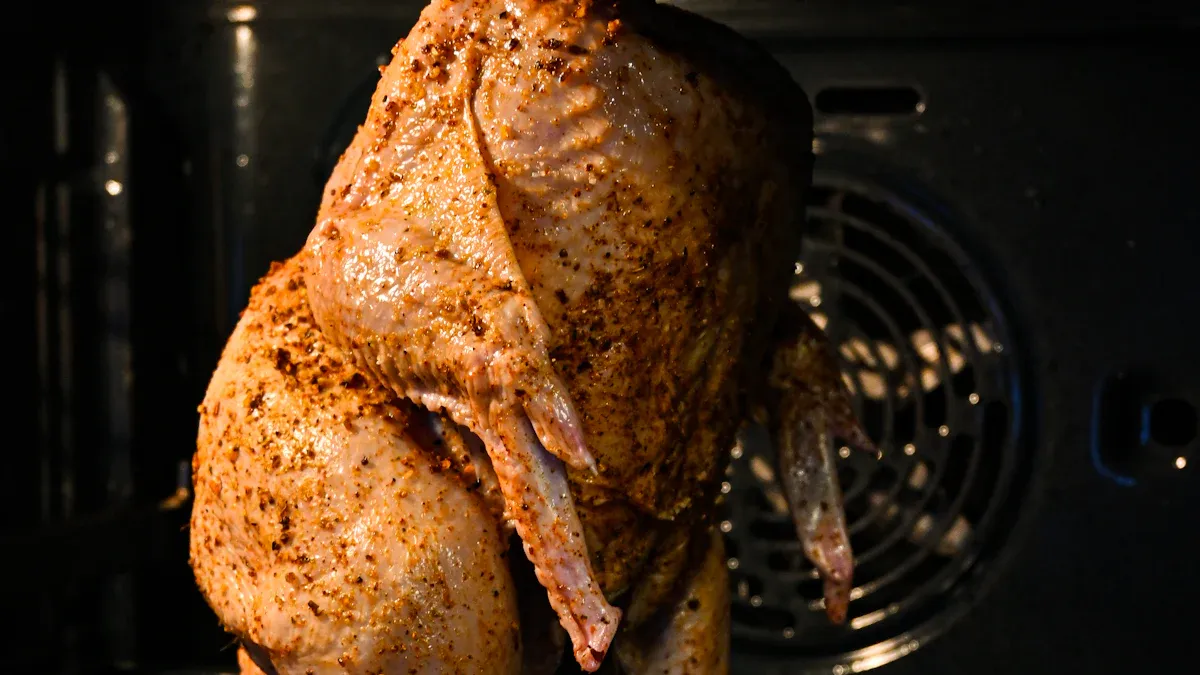
Roasting chicken in a Multifunction Air Fryer delivers crispy skin and juicy meat with minimal oil. Users enjoy fast cooking, easy cleanup, and energy savings compared to traditional ovens.
- The Electric Multi-Functional Air Fryer and Mechanical Electric Mini Air Fryer offer quick results.
- The Electric Heating Dual Basket Air Fryer supports efficient, healthy cooking.
Multifunction Air Fryer: What You Need
Essential Ingredients and Tools
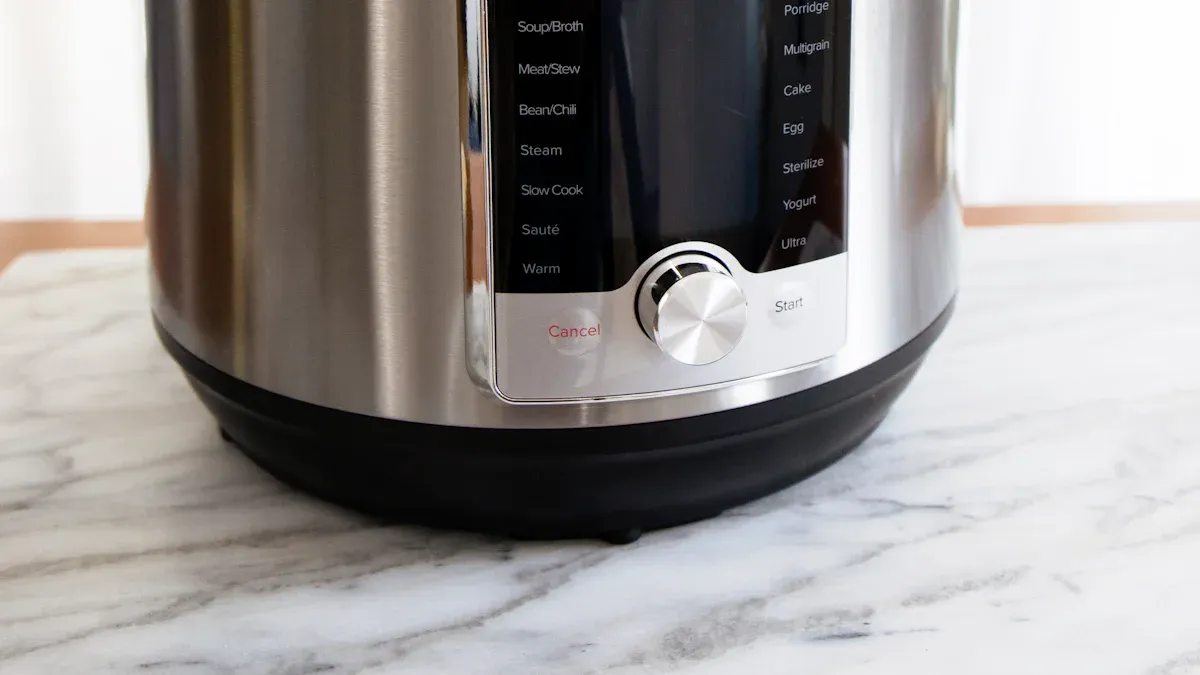
A successful chicken roast begins with the right ingredients and equipment. Home cooks gather fresh chicken, high-quality olive oil, and a blend of spices such as paprika, garlic powder, and black pepper. They use a meat thermometer to check doneness and a non-scratch sponge for cleaning. The Multifunction Air Fryer should offer precision temperature control, rapid air circulation, and a spacious basket. These features help achieve crispy skin and juicy meat. An intuitive control panel and pre-programmed settings simplify the cooking process.
Tip: Clean the air fryer immediately after use. Unplug the appliance and let it cool. Remove trays and drip tray before cleaning. For stubborn grease, apply a baking soda paste and let it sit for several hours. Scrub gently with a non-scratch sponge and rinse tools often. Wipe down with a soft cloth to finish.
| Ingredient/Tool | Purpose |
|---|---|
| Fresh chicken | Main protein |
| Olive oil | Enhances crispiness |
| Spice blend | Adds flavor |
| Meat thermometer | Ensures safe cooking |
| Non-scratch sponge | Cleaning appliance |
Picking the Best Chicken
Culinary experts recommend bone-in, skin-on chicken wings for air fryer roasting. These wings deliver the best texture and flavor. Patting the wings dry helps seasonings stick and improves crispiness. A small amount of olive oil and a spice mix create a golden finish. Cooking at 400°F for several minutes using the “Broil” setting produces perfectly crispy wings. Whole chicken or multiple pieces also fit well in a spacious basket, allowing for family-sized meals.
Note: Choose chicken with skin and bones for maximum juiciness and flavor. Dry the chicken thoroughly before seasoning.
Prepping the Chicken for Roasting
Cleaning and Drying
Proper preparation starts with safe handling. Food safety experts advise against washing raw chicken, as rinsing can spread bacteria like Salmonella and Campylobacter. Instead, cooks should remove the chicken from its packaging on a clean surface and discard any liquids immediately. Patting the chicken dry with paper towels helps achieve a crispier skin during roasting. After handling raw chicken, everyone in the kitchen should wash their hands thoroughly with warm, soapy water for at least 20 seconds. All utensils, cutting boards, and surfaces must be cleaned with hot, soapy water right after contact with raw poultry. Using separate tools for raw and cooked foods prevents cross-contamination.
Tip: Place breaded or seasoned chicken on wax paper before air frying. This step keeps the workspace tidy and reduces the risk of spreading bacteria.
Seasoning and Marinating
Seasoning and marinating add depth and complexity to roasted chicken. For best results, cooks often make deep cuts in the chicken to help the marinade penetrate. Marinating for at least four hours, or overnight, enhances flavor. A typical marinade might include Greek yogurt, salt, paprika, cayenne, ginger garlic paste, cumin, coriander, lemon juice, and olive oil. Rubbing the marinade thoroughly over the chicken ensures even coverage. Some prefer dry seasoning mixes with onion powder, garlic powder, Italian herbs, and black pepper. Adding lemon or onion slices inside the chicken cavity boosts aroma and taste.
- Moroccan Spiced Marinade: lemon juice, olive oil, cumin, cinnamon, paprika, sea salt, ginger, garlic powder, turmeric.
- Ginger Sesame Marinade: coconut aminos, ginger powder, sea salt.
- Lemon Thyme Marinade: lemon juice, olive oil, thyme, sea salt, black pepper.
Adding Oil for Crispiness
A light coating of oil helps the chicken skin turn golden and crisp in the air fryer. Olive oil remains a popular choice for its flavor and health benefits. Cooks brush or spray oil evenly over the chicken before roasting. This step locks in moisture and promotes even browning, resulting in a delicious, crunchy finish every time.
Setting Up the Multifunction Air Fryer
Preheating Tips
Preheating the Multifunction Air Fryer helps ensure even cooking and a crisp finish. Most models require a short preheating period before roasting chicken. Experts recommend setting the air fryer to 350°F (175°C) and letting it run empty for 3 to 5 minutes. This step allows the internal temperature to stabilize, which prevents uneven heating. When the air fryer reaches the right temperature, the chicken cooks more evenly, and the skin becomes crispier. Skipping preheating can lead to cold spots or burnt areas, especially when roasting larger pieces.
Tip: Always preheat the air fryer before adding chicken. This small step makes a big difference in texture and taste.
Basket-Style vs. Oven-Style Air Fryers
Choosing between basket-style and oven-style air fryers depends on the size of the chicken and the desired cooking method. Basket-style air fryers use a compact metal basket. They heat up quickly and cook food faster because of the smaller space. However, their limited capacity makes them less suitable for roasting whole chickens. Users must open the basket to check progress, which can interrupt cooking.
Oven-style air fryers look like small ovens and offer more space with layered racks. Many models include a rotisserie function, making them ideal for roasting whole chickens. The glass door allows users to monitor cooking without losing heat. These air fryers take longer to preheat but can handle larger meals and multiple items at once. Cleaning wire racks may require extra effort, but the added capacity and features often outweigh this drawback.
| Feature | Basket-Style Air Fryers | Oven-Style Air Fryers |
|---|---|---|
| Capacity | Smaller, single layer | Larger, multiple racks |
| Cooking Speed | Faster | Slower to heat, cooks more at once |
| Suitability for Whole Chicken | Less suitable | Ideal, often with rotisserie |
| Monitoring | Must open to check | Glass door for easy viewing |
| Cleaning | Easier | More challenging |
Roasting Chicken in a Multifunction Air Fryer
Placing the Chicken Properly
Proper placement of chicken inside the air fryer ensures even roasting and a crisp finish. Users should arrange chicken pieces in a single layer, leaving space between each piece. This setup allows hot air to circulate freely, which helps the skin become golden and crispy. In basket-style air fryers, cooks should avoid stacking or overcrowding. For oven-style models, the upper-middle rack works best for air frying. Some air fryers include dedicated racks or baskets designed for optimal airflow. Larger cuts or whole chickens may require placement on the bottom rack or a roasting pan to prevent contact with heating elements. When using a Multifunction Air Fryer with multiple racks, cooks can roast several pieces at once, ensuring each receives consistent heat.
Tip: Always check that the chicken does not touch the heating elements. This step prevents burning and promotes even cooking.
Temperature and Time Settings
Correct temperature and timing are essential for juicy, safe, and flavorful chicken. Most recipes recommend preheating the air fryer to 350°F to 360°F (about 175°C to 182°C). Cooking a whole chicken usually takes about one hour, which is faster than traditional ovens due to rapid air circulation and efficient heating. The process often involves two phases: starting with the breast side down, then flipping to breast side up for the final stage. This method ensures the meat cooks evenly and the skin crisps up nicely.
| Parameter | Value |
|---|---|
| Preheat temperature | 360°F (about 182°C) |
| First phase | 30-45 minutes, breast side down |
| Second phase | 15-30 minutes, breast side up |
| Internal temp goal | 165°F (74°C) |
| Resting time | 5-10 minutes |
For smaller chickens or pieces, cooks may adjust the time accordingly. Always use a meat thermometer to confirm the internal temperature reaches 165°F (74°C) before serving.
Flipping or Rotating for Even Cooking
Flipping or rotating the chicken during roasting helps achieve a uniform texture and color. Most experts recommend flipping the chicken once during the cooking process. Start with the breast side down and cook for 30 to 45 minutes. Then, flip the chicken so the breast side faces up. Continue roasting for another 15 to 30 minutes, depending on the size. This single flip allows the skin to crisp and the meat to cook through without drying out.
- Place the chicken breast side down in the air fryer.
- Cook for the first phase as recommended.
- Flip the chicken breast side up.
- Finish cooking until the internal temperature reaches 165°F (74°C).
This approach works well for both whole chickens and large pieces. Rotating racks or repositioning pieces halfway through also helps when using oven-style air fryers with multiple layers.
Note: Only one flip is necessary for most recipes. This step keeps the chicken juicy and ensures even browning.
Checking Doneness and Food Safety
Using a Meat Thermometer
A meat thermometer provides the most reliable way to check if chicken is safe to eat. Food safety experts recommend inserting the thermometer into the thickest part of the chicken, avoiding bones. The USDA states that chicken must reach an internal temperature of 165°F (74°C) to ensure harmful bacteria like Salmonella are destroyed. This guideline applies to all parts of the chicken, including breasts, thighs, wings, and even stuffing.
| Chicken Part | Minimum Safe Temperature |
|---|---|
| Whole chicken | 165°F (74°C) |
| Breasts | 165°F (74°C) |
| Thighs/Legs/Wings | 165°F (74°C) |
| Ground poultry | 165°F (74°C) |
| Stuffing | 165°F (74°C) |
Tip: Always clean the thermometer with hot, soapy water after each use to prevent cross-contamination.
Signs of Perfectly Cooked Chicken
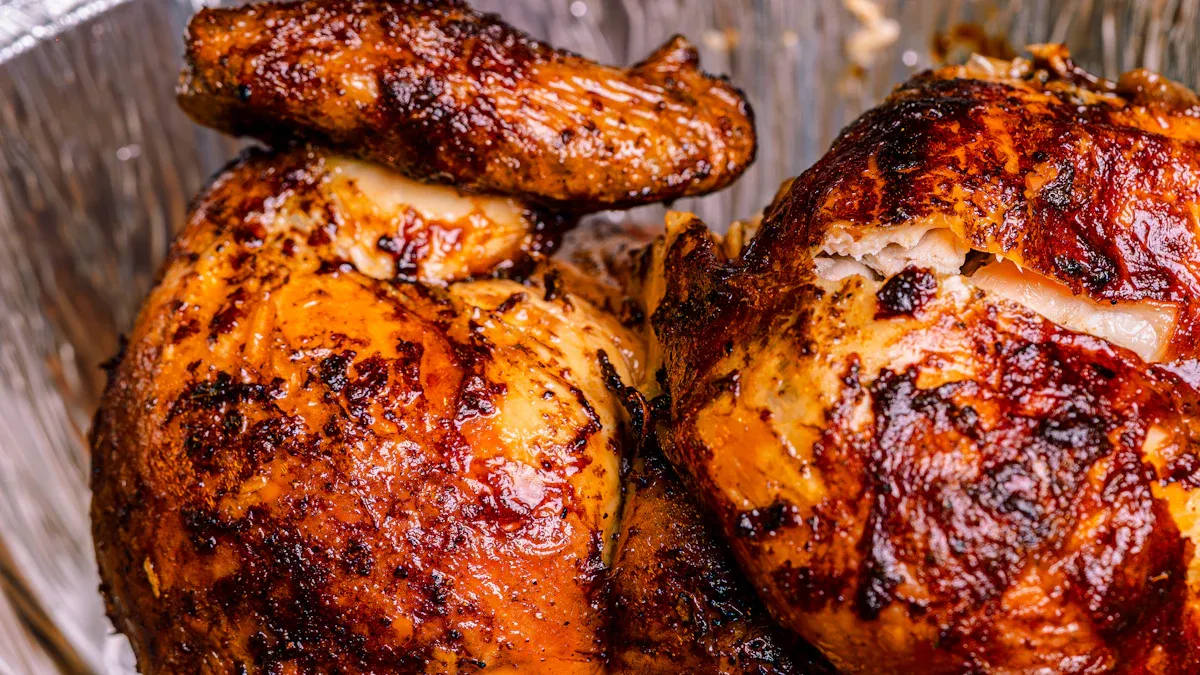
Perfectly cooked air fryer chicken displays several clear signs. The exterior should appear golden and crispy, with a crunchy texture when touched. The interior remains juicy and tender, never dry or rubbery. When sliced, the juices run clear, and the meat shows no pinkness. Flipping the chicken halfway through cooking helps achieve an even, golden coating.
- Visual cues: Golden-brown, crunchy skin
- Texture: Crisp outside, moist and tender inside
- Juices: Run clear when cut
Note: If the chicken looks dry or the coating appears pale, it may need more time in the air fryer. Always rely on both the thermometer and these visual signs for best results.
Tips for the Best Air Fryer Roasted Chicken
Achieving Crispy Skin
Home cooks can achieve crispy skin on roasted chicken by following a few proven steps:
- Pat the chicken dry with paper towels and tuck the wings under.
- Prepare a seasoning paste using oil and spices, then brush it evenly over the chicken.
- Place the chicken breast-side-down in the air fryer basket. This position protects the breast meat and allows juices to keep the meat moist.
- Roast at 360°F for about 50 minutes, then flip the chicken breast-side-up for an additional 10-20 minutes. This final step crisps the skin.
- Always check that the internal temperature reaches 165°F for safety.
- Let the chicken rest for 5-10 minutes before slicing. This helps the juices redistribute, keeping the meat juicy.
Tip: For extra crispy skin, refrigerate the uncovered chicken for up to 24 hours before cooking. This step dries out the skin and enhances crispiness.
Flavor Variations
Roasted chicken in a Multifunction Air Fryer adapts well to many global flavors. Indian-style chicken uses a marinade of yogurt, garam masala, cumin, and red chili powder for a spicy, aromatic result. Marinating overnight deepens the flavor. Other popular options include:
| Cuisine/Flavor Profile | Key Ingredients/Marinade Components | Description/Notes |
|---|---|---|
| Classic Southern Seasonings | Buttermilk, paprika, garlic powder, onion powder, cayenne pepper | Buttermilk and spices create a crispy, juicy Southern-style chicken. |
| Asian-inspired | Soy sauce, ginger, garlic, sesame oil | A savory, slightly sweet marinade with Asian flavors. |
| Mediterranean | Lemon juice, olive oil, oregano, garlic | Zesty and aromatic, inspired by Greek and Italian cuisines. |
Avoiding Common Mistakes
Many cooks face challenges when roasting chicken in a Multifunction Air Fryer. The most frequent mistakes include:
- Overcrowding the basket, which blocks hot air and leads to uneven cooking.
- Not flipping or tossing the chicken, causing uneven browning and dry spots.
- Skipping preheating, resulting in a lack of crispy texture.
- Using too little oil, which can make the chicken dry and prevent browning.
- Failing to check the internal temperature, risking undercooked meat.
- Using wet batter or coarse seasonings, which can cause soggy or burnt coatings.
Note: Arrange chicken in a single layer and flip halfway through cooking for the best results. Cooking in batches may be necessary for larger meals.
Serving and Storing Your Chicken
Resting Before Slicing
After roasting, chicken needs time to rest before slicing. This step helps keep the meat juicy and tender. Most chefs recommend letting the chicken rest for about 10 minutes. During this time, juices move back into the meat, making each bite moist and flavorful.
- Rest the roasted chicken for about 10 minutes before slicing.
- This resting period helps seal in the juices.
- Resting results in a more tender and juicy bite.
Serving air fryer roasted chicken with the right sides creates a complete meal. Many home cooks choose vegetables like roasted broccoli, butternut squash, or brussels sprouts. Others prefer mashed potatoes with gravy, Caesar salad, or air fryer green beans. For low-carb options, cauliflower mash or keto creamed spinach works well.
Storing Leftovers Safely
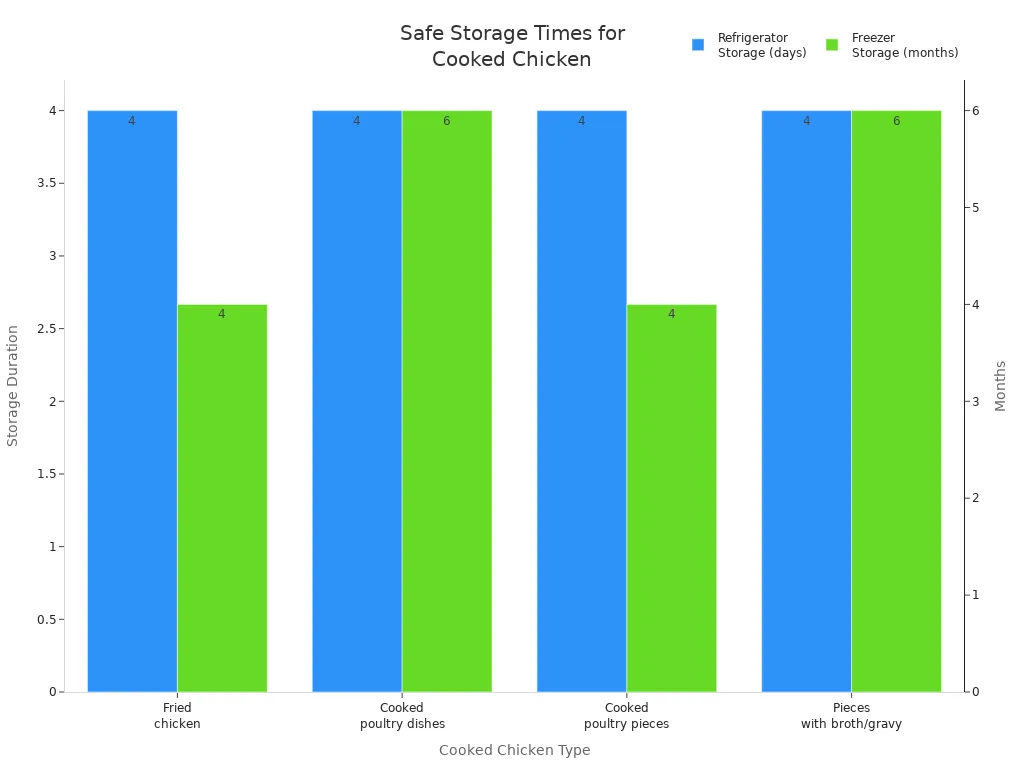
Proper storage keeps leftover chicken fresh and safe to eat. Cool the chicken to room temperature before placing it in the refrigerator. Store pieces in airtight containers or wrap them tightly in foil or plastic wrap. Refrigerate leftovers within two hours of cooking.
- Store chicken in airtight containers with tight-fitting lids.
- Refrigerate within two hours to prevent bacterial growth.
- Consume refrigerated chicken within three to four days.
- For longer storage, freeze chicken in resealable freezer bags, removing as much air as possible.
- Label and date all packages for easy tracking.
- When reheating, ensure the internal temperature reaches 165°F (74°C).
| Cooked Chicken Type | Refrigerator (40°F) | Freezer (0°F) |
|---|---|---|
| Fried chicken | 3-4 days | 4 months |
| Cooked poultry dishes | 3-4 days | 4-6 months |
| Cooked poultry pieces | 3-4 days | 4 months |
| Pieces covered with broth/gravy | 3-4 days | Up to 6 months |
Tip: For best taste, reheat chicken covered and add a splash of broth to keep it moist.
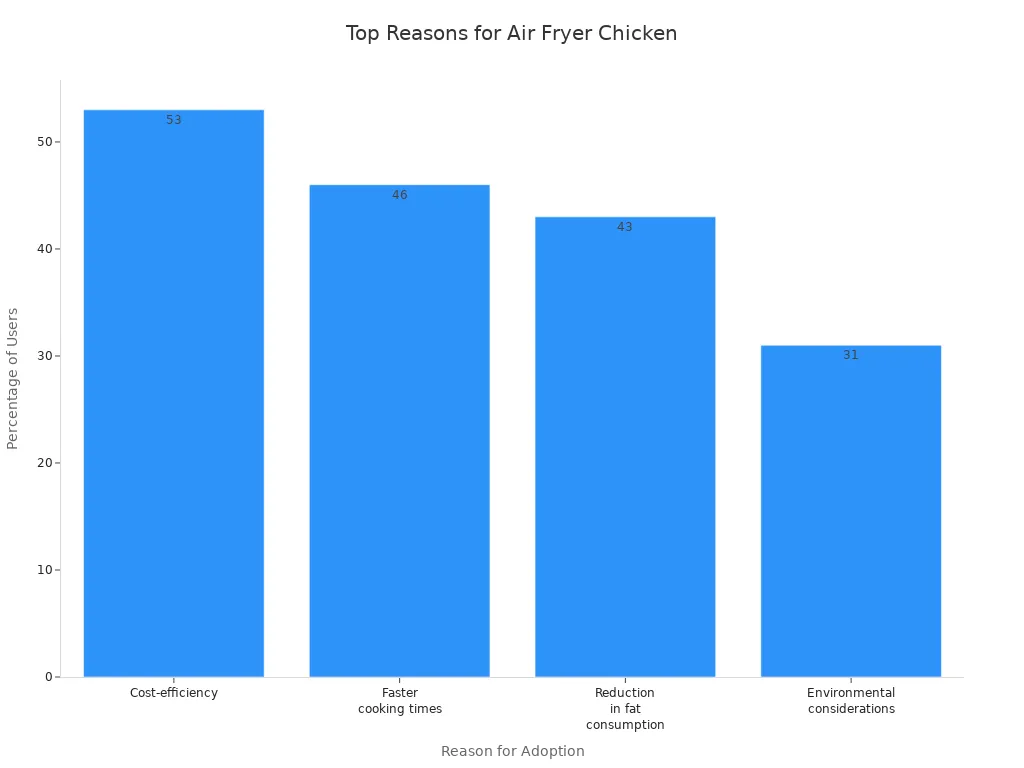
Roasting chicken in a Multifunction Air Fryer offers juicy, crispy results with minimal effort. Culinary experts highlight versatile cooking functions, user-friendly controls, and healthier meals. Families enjoy cost-efficiency, faster cooking, and reduced fat consumption.
| Advantages of Multifunction Air Fryers | Explanation |
|---|---|
| Versatile Cooking Functions | Prepare various dishes with one appliance. |
| Even Cooking with Minimal Preheating | Saves time and ensures consistent results. |
| Healthier Cooking | Reduces oil usage while maintaining flavor. |
FAQ
How long does it take to roast a whole chicken in a multifunction air fryer?
Most whole chickens roast in 50 to 60 minutes at 360°F. Always check the internal temperature for safety.
Can you cook frozen chicken in a multifunction air fryer?
Yes, users can cook frozen chicken. Increase the cooking time by 10 to 15 minutes. Always confirm the chicken reaches 165°F inside.
What size chicken fits best in a multifunction air fryer?
A chicken weighing 3 to 4 pounds fits most air fryer baskets. Larger oven-style models can handle bigger birds or multiple pieces.
Tip: Always leave space around the chicken for proper air circulation.